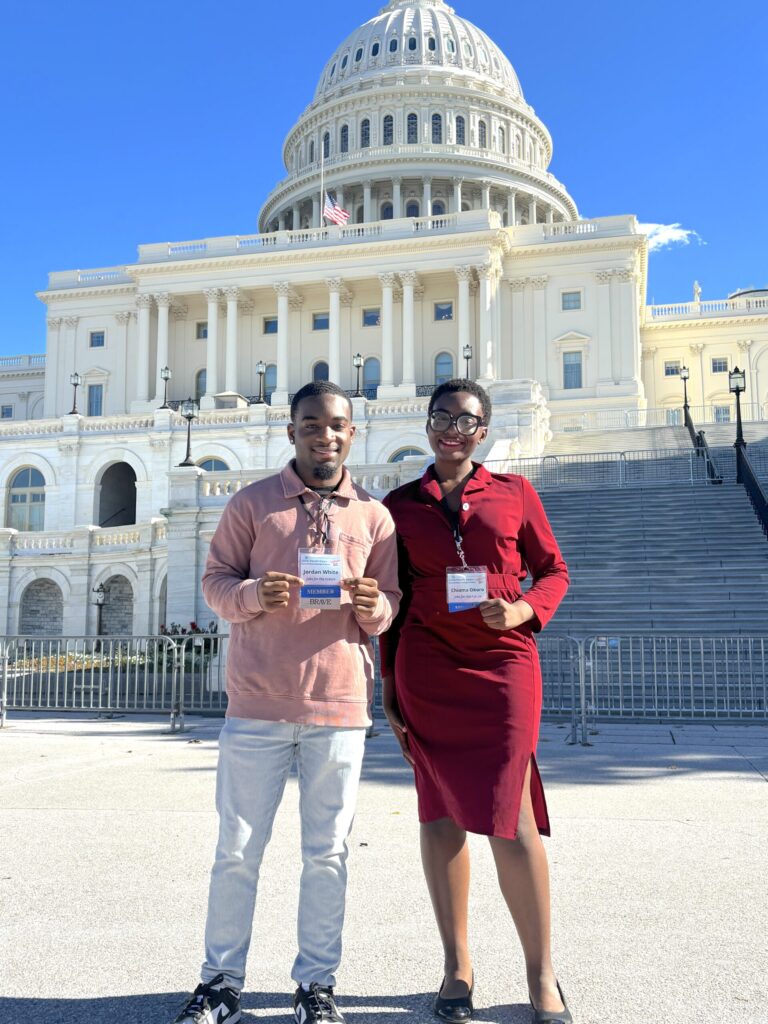
The interests, aspirations, and ideas of young people continue to guide each of our projects at the Britebound Center for Career Navigation at JFF. The Center’s Youth Advisory Council is now back and stronger than ever. Over the next year, council participants representing a mix of students and early-career professionals will bring their voices directly into conversations with educators, employers, and policymakers.
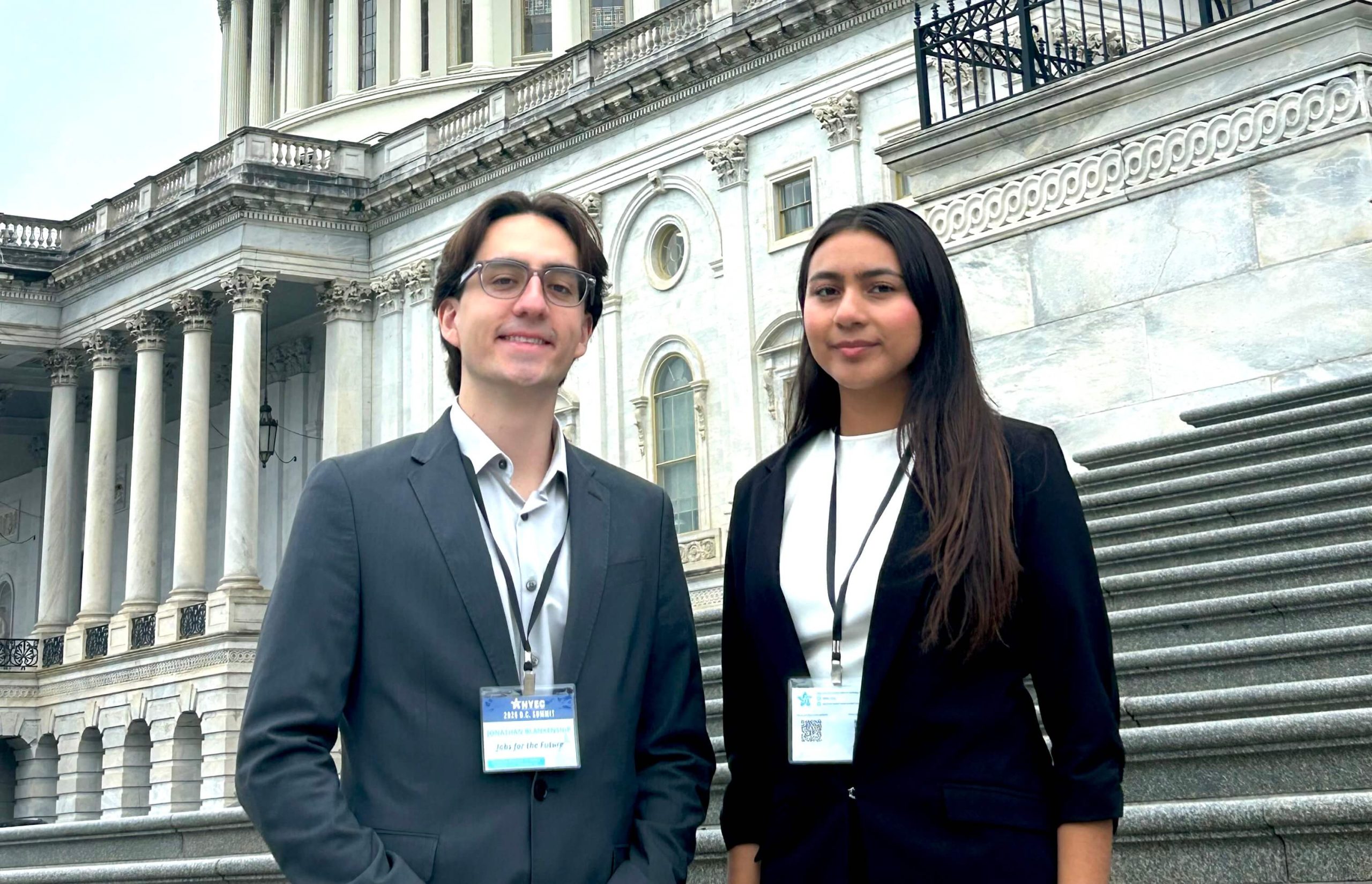
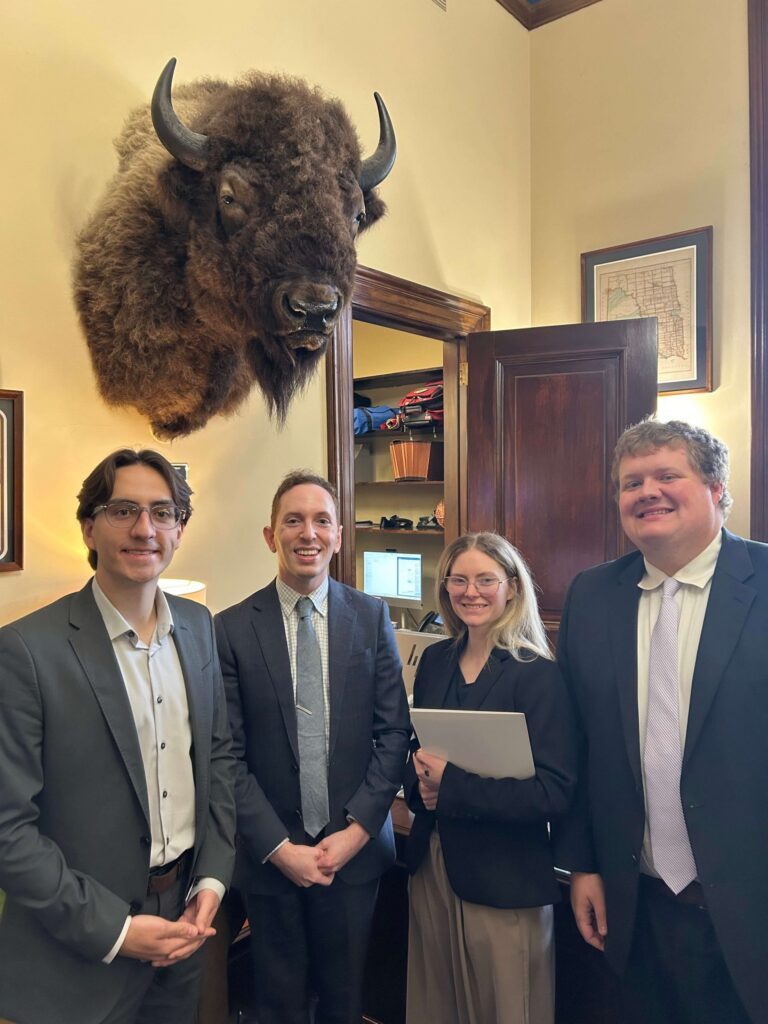
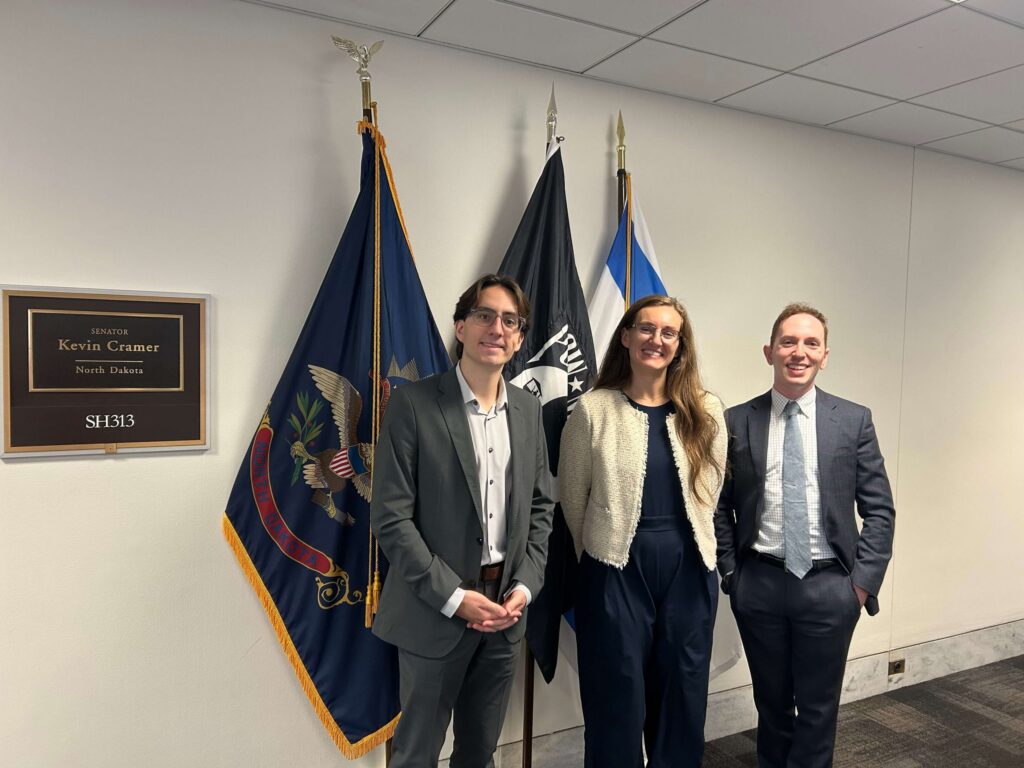
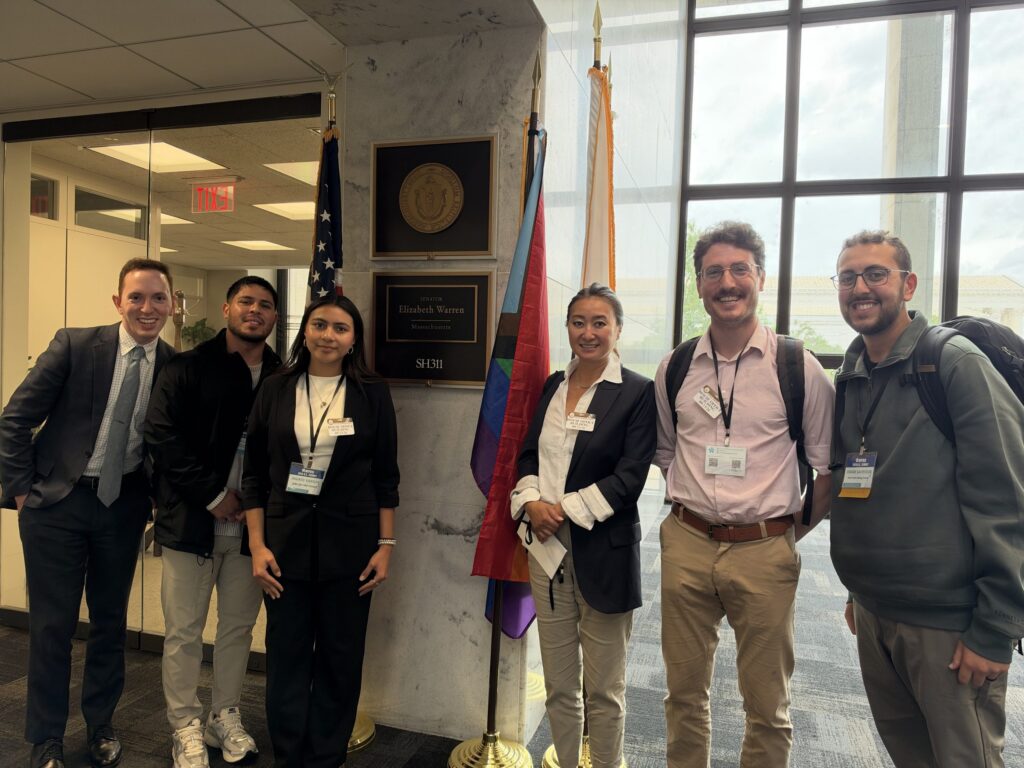
Two young leaders, Jonathan Blankenship and Ingrid Vargas, recently traveled to Washington, DC to discuss their career navigation journeys, why young people should have a stronger voice on Capitol Hill, and what changes they would like to see in federal education and workforce policy to strengthen career navigation opportunities for young people. During their week in our nation’s capital, they attended the National Youth Employment Coalition’s 2026 D.C. Summit to participate in advocacy trainings, join workshops with other young advocates from across the country, and hear directly from education and workforce leaders about how their voices can drive lasting change. Here, they share their overall reflections on their time on Capitol Hill and what they want other young people to know about using their voices to affect change:
What were you hoping to tell lawmakers and their staff about your experience and community regarding career navigation?
Ingrid: I wanted lawmakers and their staff to understand that career navigation isn’t abstract for someone like me, it’s something I had to figure out entirely on my own. I grew up in a working-class, predominantly Latine community where no one around me had gone through the college or career process before, and I only found my own path because of the opportunities that dual enrollment opened my eyes to. I wanted staff on the Hill to hear my story, specifically as proof of how much is possible for students to achieve, even when they don’t have someone else’s footsteps to follow.
Jonathan: During my time in Washington, DC, I hoped to share and expand on this work [in North Dakota], and the importance of providing employment opportunities for young people in rural communities and connecting high school and college graduates with career paths.
What were your expectations heading into your meetings with Congressional offices, and how did you prepare?
Jonathan: I really tried to gather information and various perspectives from other youth leaders in my community to provide the most current situation we young people are facing. I came into these meetings with a clear vision, but also an open mind and expected to hear some other thoughts and ideas.
Ingrid: I expected a lot of formality since I assumed staff would be focused more on protocol. However, while the conversation was still formal, it did not feel stressful, and I felt confident by grounding myself in my own story. Through this, I spoke to career navigation through my lived experiences, and I prepared with a clear request: that youth voices be treated as a resource in shaping these policies, not just a talking point used to justify them.
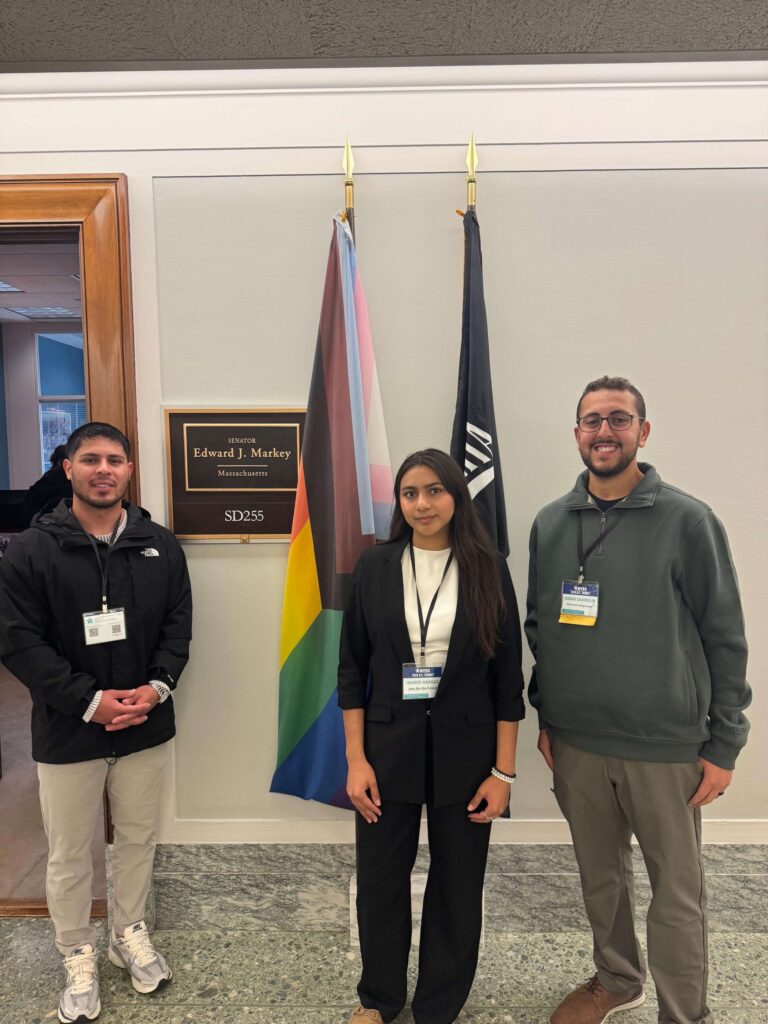
Did anything surprise you about your time on the Hill?
Ingrid: What surprised me most was how genuinely engaged the legislative staff was; they asked follow-up questions about my own path and how it connected to the policies their offices were working on.
Jonathan: The amount of people it takes to carry out these policies that can make a positive impact even in our rural communities throughout our country.
What were you most excited about sharing with members of Congress and their staff?
Jonathan: I was most excited to share with members of Congress and their staff my previous leadership experience in the state of North Dakota and the work being done for our youth at the University of North Dakota – including providing career fairs with employers from all across the state that directly connects students to the workforce, and the programs that bring high school students to campus to preview college life, engage in specialized academics, and build career readiness.
Ingrid: I only found my path into public policy because I signed up for dual enrollment in high school–which was how I learned what an associate degree was–and was able to earn five. I wanted them to hear that this same opportunity, if expanded and made more visible, could change the trajectory of students who are still waiting to stumble into their own version of what dual enrollment was for me.
What is one thing you wish more policymakers knew about career navigation and the challenges young people face pursuing education and career opportunities?
Ingrid: Career navigation is not a single decision, it is a series of moments in which a student either finds an opportunity or doesn’t, usually by chance rather than by choice. Young people, especially first-generation and low-income students, are not lacking ambition or ability, they are lacking consistent access to the information and opportunities that more-resourced students take for granted.
Jonathan: One area I believe more policymakers need to understand is that in rural communities, the majority of high school students don’t know what their next plans are after high school. While policy conversations frequently focus on college affordability and financial aid access, they bypass a more fundamental hurdle: many rural students cannot choose a pathway they do not know exists.
The Youth Advisory Council looks forward to continued engagement with policymakers, service providers, researchers, and other partners. Over the next year, they will pursue several projects to improve education and career pathways for their peers. Stay tuned for more updates about the council’s ongoing activities.