
In the spring of 2026, Jobs for the Future shared some early insights from the place-based work we are engaged in across eight U.S. communities: Birmingham, Alabama; Chicago, Illinois; Cleveland, Ohio; Los Angeles, California; Louisville, Kentucky; New Orleans, Louisiana; San Antonio, Texas; and Seattle, Washington.
As we continue this critical work, we are excited to dive more deeply into those lessons, including the importance of accessibility and connection.
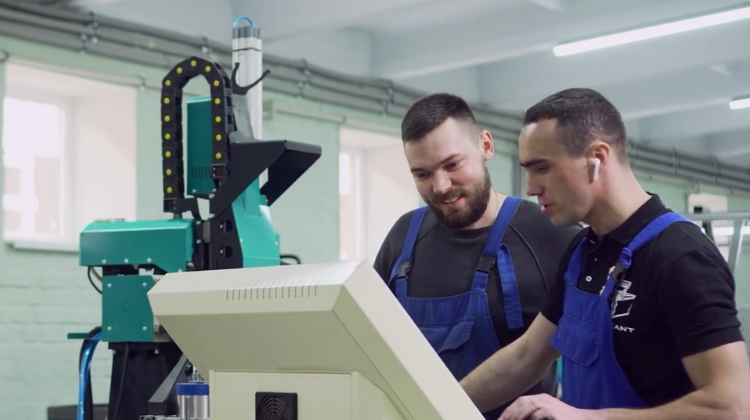
Our regional work continues to surface the importance of meeting young people where they are, which includes being present in the neighborhoods in which they live and the spaces they frequent regularly. Consider the work that Lost Angels Career Center is doing: While the sprawling Southern California region in which it is located has many education, workforce, and career navigation programs for young people, few extend deep into outlying areas and reach places like the communities of Antelope Valley. Youth in that area are more likely to be from low-income households, come from communities of color, and/or face other barriers to navigating careers that lead to quality jobs.
Having access to career navigation services and skills training programs in their neighborhoods that are connected to jobs with local employers has played an important role in meaningfully expanding youth access to opportunity and support.
“Teaching someone how to do a beautiful weld or read a tape measure or understand blueprints is just a small part of building a strong community. What is needed most is to be present and a real support showing young people how to deal with life on life’s terms. Opportunity youth need support, mentorship, structure, and guidance, in addition to training and resources, in order to be a positive person in the workforce and in their community.”
Our partner in Birmingham, the Hispanic Immigrant Center of Alabama (HICA), has recognized that partnering closely with area schools serving a high number of immigrant learners is an effective approach to reaching both young people and their parents with the information they need to make education and career decisions after high school. That approach has been so effective, in fact, that in the time we have worked with HICA, the organization has served 71% more students with career navigation support than it originally planned!
In our regional work, we are hearing from partners about young people’s growing interest in a wide range of pathways—including many nondegree pathways, which often have unique entry and application processes, variable enrollment periods, fluctuating availability of slots; some even have waitlists. While connection to a trusted adult for career navigation support is important for all young people, our partners say that it is especially important for those who may have a gap of several months, say, between completing a GED or earning a high school diploma and being able to embark on their chosen skill and career pathway. These young people need ongoing help to understand and advance through the specific steps required, as well as encouragement and affirmation when they face unexpected delays or hurdles. During this period of transition, they may also need help meeting their basic needs.
“The path to a career isn’t a straight line, especially during those critical months between earning a credential and enrolling in workforce training. For under-resourced youth, the lag time between earning a diploma or GED and starting a skills program is where potential is often lost without intentional guidance. At R3, we know that having a trusted adult in their corner during these waiting periods isn’t just helpful—it’s the bridge that keeps their momentum alive, tackles real-time basic needs, and reinforces the mindset needed to overcome unexpected hurdles.”
Practitioners across the United States can integrate these lessons into their own work. Key actions to consider include the following:
- System-level stakeholders, such as educational institutions and local workforce development boards, can conduct detailed regional landscape scans. This can help them understand whether programs in neighborhoods or other hyperlocal communities are providing young people with sufficient career navigation support. It can also help them prioritize expanded partnerships with local community organizations, opportunities for satellite locations, and additional investment in those communities.
- School districts can review and—as appropriate—streamline the policies that govern partnerships with community-based organizations and providers, to encourage value-add partnerships that bring career navigation support onto high school campuses.
- Community organizations can explore shared-space partnerships that help them bring services for young people into neighborhoods and schools.
- Youth career navigation programs can be intentional in designing service delivery strategies. They should acknowledge that young people may have extended transition gaps between education and skills training activities and, in response, develop additional program elements to support them during those periods, when possible. Such elements can include access to short-term employment or income-generation opportunities, basic needs support services, workshops, peer and mentor support, and project-based learning experiences.
Stay tuned to learn more about our work to transform communities into career navigation-ready communities that help all young people get the information, skills, and support they need to make education and career decisions that lead to quality jobs and economic advancement!